HOTHOUSE FLOWERS – People – (London) – 1988

Sorry if the following is "bitty" but it's late.
 
I recall who Hothouse Flowers were but I have no idea what they sounded like. Frankly, I wasn't really doing the Top 40 in the 80s. The 80s are perhaps the greatest ever decade for music where very little came from the above ground (the charts) and everything came from the underground. That was an aside, obviously.
 
So, I approach this album relatively clear of mind. The "relatively" is by virtue of the fact that the band are Irish and so is my wife so I have some trepidation and recognise the use for some careful words*.
 
Generally, I have been ambivalent about Irish rock.
 
I loved Stiff Little Fingers as a youngster and I also had a lot of time for the Undertones, both from the North. Van Morrison, also from the North, I have always found patchy especially as he progressed. Sorry, I only distinguish the North because there are some slight different musical traditions added to the mix. It's not meant to be a political statement. Tiocfaidh ár lá. U2 despite their fine taste in music (Elvis), experimentation and some great songs never really floated my boat. My Bloody Valentine, Ash, and the Virgin Prunes I don't know enough of. Thin Lizzy had a few good tracks as did The Boomtown Rats. The Pogues I love but they are ex-pats. Hal, The Villagers and  Identity Parade are new acts I listen to and like.
 
The Irish also tend to throw out many solo vocalists from Damien Dempsey to the supreme cheese of Richard Harris and they have won the Eurovision more times that you can point a stick, but, what I do truly love is traditional Irish music. This affection stems from the early 80s, almost a couple of decades before I met my wife.
 
The attraction to the music was both budgetary and philosophical. The budgetary stems from the fact that I found a lot of those trad Irish records in op shops whilst the philosophical refers to the content, as a lot of Irish traditional music is belligerently anti-English and that fit well with my Republican stance (then and now). Tiocfaidh ár lá. However, the more I listened to the traditional Irish music like the Dubliners, The Chieftans, Planxty and (the Americanized) Clancy Brothers, the more I saw the direct links between Celtic (specifically Irish) music and American country and folk.
 
Of course I liked American country and folk especially the early or primitive forms so it was no great leap to be then enamoured with Irish Celtic music.
 
A lot of Irish music references American country or folk … and if one country should it's the Irish as the Irish musical traditions had a great influence on American country and folk. That indirect influence can be heard on many of the American "roots rock"  and "heartland rock" bands also. For those who care "roots rock" and "heartland rock" are close cousins though "heartland rock" tends to be a little more polished and a little less adventurous. Generally it's all straight ahead rock 'n' roll with occasional country-ish influences and a lot of Americana type themes – think Bruce Springsteen, John Cougar, Lone Justice or Steve Earle (during his rock period) in the mainstream to The Beat Farmers, Alex Chilton, Tav Falco Panther Burns, Green on Red, Alejandro Escovedo indie wise. The influences are Elvis, Bob Dylan, Creedence Clearwater Revival, Jimmie Rodgers and everything in between. 
 
But when this music goes full circle and ends up back in Ireland or in places like England I can't help but look on it with some amusement.
 
And Hothouse Flowers are an Irish "roots" rock band of sorts.
 
The critics tend to lump Hothouse Flowers into the "Celtic rock" genre though I hardly think that (at least on this album) the use of vibes, marimbas, electric sitars, bouzoukis, and saxophones as used by the Hothouse Flowers are not central instruments in the Celtic rock tradition.
 
"Celtic Rock" from allmusic, "From the punk and pipes sound of bands like the Pogues to the New York/Celtic hybrid of Black 47 to the only slightly Irish-inflected sound of the Cranberries, Celtic rock artists combine traditional Irish instruments with rock rhythms to produce music that is equal parts mania and passion, melancholy and romance. Celtic rock often shows the definitive stamp of Irish pub music, but it also draws equally from pop music sounds that range from R&B to alternative rock".

 
I hear very little "Celtic rock" here but I do hear a lot (truck loads) of mid to late-80s heartland rock a la Bruce Springsteen (all that stuff after "Nebraska") and John Cougar (around his "Scarecrow" time). And also, unfortunately, just as a lot Springsteen and Cougar output has dated from that period so has this. Post "Nebraska" Springsteen's (immediate) output was slick and glossy (despite the themes being quite dark) and the Hothouse Flowers are even more slick and glossy with none of the social observations and criticism Springsteen infused his songs with. For every "Dancing in the Dark" relationship song Springsteen had he had a "My Hometown" observational type song. This album however is all relationship songs (Well, there could be one anti-war song in there, if I could figure out what the band were on about..) and, given the style of music , it suffers.

The Hothouse Flowers were clearly affected by time and place which clearly effected their musical choices …

Allmusic, "The group first formed in 1985 when Liam Ó Maonlaí and Fiachna Ó Braonáin (who had known each other as children in an Irish-speaking school, Coláiste Eoin) began performing as street musicians, or buskers, on the streets of Dublin, Ireland as "The Incomparable Benzini Brothers". They were soon joined by Peter O'Toole, and had won a street-entertainer award within a year. They renamed the group "Hothouse Flowers" and began writing songs and performing throughout Ireland. Rolling Stone magazine called them "the best unsigned band in Europe". …In 1986 Bono from the band U2, saw the Flowers performing on television and offered his support. They released their first single, "Love Don't Work This Way", on U2's Mother Records label, which quickly led to a deal with the PolyGram subsidiary London Records".

I also hear a little of the Violent Femmes as well as a lot of gospel and soul in the mix. Despite this, and the Springsteen influences, bands like Counting Crows, Hootie and the Blowfish and The Waterboys could all probably sit comfortably with Hothouse Flowers.

I note though that, with a lot of Irish rock as well as English rock, there is a tendency for Americana inspired sounds to come out quite slick … and when you are inspired by already slick Americana rock the result is just a touch to clean for my ears. It seems to be all form no substance. It's as if Robert Palmer was fronting a bar band.

It's all well played, sung and bouncy but unfortunately the mainstream 80s sound, the passing of time, and the deja vu feeling of it does not make it a winner for me.

Tracks (best in italics)

  • I'm Sorry – starts with a Bruce Springsteen-ish spoken introduction which sounds totally rehearsed. An Abbey player couldn't have done better.
  • Don't Go – silly and obvious and catchy – very Springsteen like.
  • Forgiven –.
  • It'll Be Easier In The Morning – a country soul tinged mid tempo ballad – a bit like Dobie Gray's "Drift Away" – with not even a hint of an Irish accent.
  • Hallelujah Jordan – more Springsteen.
  • If You Go – starts of as Springsteen all the way down to the lonesome harmonica then the sexy sax-o-mo-phone kicks in. I could see Pat Benetar or Kim Carnes doing this.
  • The Older We Get – It's uncanny how the lead singers vocal phrasing is like … wait for it … Bruce Springsteen.
  • Yes I Was –.
  • Love Don't Work This Way – very soulful with more sexy sax-o-mo-phones.
  • Ballad Of Katie – a long and emotive power ballad.
  • Feet On The Ground – a touch of B.B. King and U2 via  "When Love Came to Town" here.
And …
 
 Slick, but not for my taste … sell or give to the wife. 
 
Chart Action
 
US
 
Album
#88 on The Billboard 200 1988
Singles
no chart action on the main charts
 
UK
 
Album
#2 1988
Singles
#11 Don't Go
#33 I'm Sorry
#45 Easier In the Morning
 
Sounds
 
I'm Sorry 
live

Don't Go 
live
 
It'll Be Easier In The Morning 
attached
 
Hallelujah Jordan 
live
and attached
If You Go 
The Older We Get 
 
Feet On The Ground 
live
 
Bio
 
 
Website
 
 
Trivia
  • This album to date is the biggest selling debut album by an Irish artist in Ireland, reportedly selling close to 1 million copies there alone.
  • The Hothouse Flowers and My Bloody Valentine have a shared history in members.
*The wife is not a huge Hothouse Flowers fan despite the fact that an Aunt is related to one of the band members … she is also related to someone in "My Bloody Valentine". Interestingly one of her cousins went to school with Bono … Ireland isn't a big place.
 
(originally posted: 25/07/2010)
Posted in Rock & Pop | Tagged | 1 Comment

STORIES – Stories – (Kama Sutra) – 1972

I have one other Stories album (their third) and I found it a little patchy. Having said that I never got rid of it so I might put it on again as it has been over fifteen years since I listened to it last. 15 years!
 
This album, their first, I bought on the strength of Michael Brown (who isn't on the third album). Brown was the mastermind behind the magnificent Left Banke and on leaving them he formed a one off album band, Montage, before forming Stories with Ian Lloyd.
 
Read What Frank is Listening #94 for more on Michael Brown.
 
Ian Lloyd from wikipedia: "Ian Lloyd (b. Lloyd Buonconsiglio, 1947, Seattle) is an American rock singer and songwriter, best known as the lead singer of the band Stories, whose single "Brother Louie" was No. 1 on the Billboard Top 100 chart in 1973. … In 1971 Michael Brown and Ian Lloyd formed Stories. They released two albums ("About Us" and "Stories" with a hand full of Billboard-Top-40 charting songs. Brown left before the band recorded their 3rd and final album, which was released under the name, "Ian Lloyd and Stories"… After Stories he pursued a solo career, releasing 6 albums to date. Additionally, Lloyd has a long discography of vocal work including background work with artists such as Foreigner, Billy Joel, and Yes. Lloyd continues to write, record and perform".
 
This album really takes off where Left Banke left off … ha. Brown defines the sound on this album and his song writing and pop sensibility is amazing. Musically I suppose this is still the baroque pop of the Left Banke, with a substantial nod to power pop and rock. Paul McCartney influences are clearly visible but with more classical music references than McCartney used at the time (1972). Also, unlike The Beatles (or George Martin) who used classical references by using a full orchestra to punctuate a song and give it pomp here the music is more gentle and quiet as if a string quartet were playing in the room next door … err with a rock band. There are pianos, violins and harpsichords everywhere here. That combined with Lloyds high singing (though there is a little rasp in there reminiscent of Rod Stewart), choruses and backing vocals,  make for a "pure pop rock" experience, thought with an "arty" bent rather than a mainstream one.
 
Stories are often compared to The Raspberries and Badfinger but they also sound suprisingly like Nils Lofgren's Grin but without the classical bits. Grin put out their first album in 1971. Whether Stories (who were from New York City) knew of Grin who were not successful on the charts but played extensively in the Washington DC area (and probably New York) I do not know, but the similarities are clear.
 
I love drawing comparisons people can relate to so here think of a choirboy Rod Stewart singing art pop-rock on a Paul McCartney album.
 
There is only one fault and that is after a couple of listens, while writing this, I have a feeling that the album may not be memorable which is a pity as every song is well above average. Time will tell but I think this falls just short of unrecognised greatness.
 
Tracks (best in italics)
  • Hello People – a mid tempo power pop song with gospel choir like backing vocals.
  • I'm Coming Home – a good mid tempo pop – which again shifts gears – but has some nice guitar crunching.
  • Winter Scenes – McCartney channelled again. The pace changes mid-song a number of times briefly and moves into a piano driven less bombastic "Live and Let Die".
  • Step Back  – This one is very "Grin" like … the emphasis is less on pop and more on rock.
  • You Told Me – the Beatles circa "Eleanor Rigby" … the violins (played by  I assume Lloyd's dad Peter Buonconsiglio and Harry Lookofsky) are very ominous sounding.
  • Saint James – a wordy mid-tempo powerpop with some Jimmy Webb overtones.
  • Kathleen – a beautiful (I mean that in a manly way) love ballad.
  • Take Cover – early 70s powerpop.
  • Nice to Have You Here – a great ballad of domestic bliss. The title says it all.
  • High and Low – another nice powerpop ballad. Yes, you can have a "powerpop" ballad.
And …

I love "Grin" so this album is always going to appeal and given Brown's pedigree this is a winner. I'm a keeping. 

Chart Action
The album went to #182 on the US charts


The single "I'm Coming Home" peaked at #42.
 
No action in England.
 
Sounds
 
Hello People

I'm Coming Home

Winter Scenes
and attached
 
You Told Me 
attached
Kathleen
 
Other:
their big hit and their least typical song
 
Review
 
 
Bio
 
 
(originally posted: 18/07/2010)
Posted in Power Pop, Sunshine Pop and Baroque | Tagged | Leave a comment

DAVID CASSIDY – The Higher They Climb The Harder They Fall – (RCA) – 1975

Back in "what Frank is listening to #27 – Home is where the Heart Is" I put forward a "defence" of David Cassidy. Refer to that if you wish.

This album does nothing to change my defence.

Also, refer back to #27 for biographical detail on Cassidy.

This is a concept album of sorts and the title says it all … it's the story of a pop stars rise and fall. Granted this is not a new concept: Bowie's "Ziggy Stardust" and Ray Davies via The Kinks in "Everybody's in Showbiz Everybody's a Star" mine the same fields, but here there is one interesting twist … Cassidy mania had been getting bigger year by year since 1969 but had been on full throttle for the preceding two – three years to 1975, so he was living it in real time.

He had, in any event, been withdrawing from public performance and public life after 650 people were injured and one 14 year old girl was killed in a crush at one of his London concerts in 1974. By all accounts the incident had a devastating affect on him. He was also drinking whilst his relationships were falling apart. I'm sure he was wondering where it would take him and where it would end.

And something that is greatly underestimated is the pressure put on solo performers to cope with their fame … bands, after all, have each other to rely on, or at least they share experiences even if they don’t like each other (as if that would happen).

In the midst of all this Cassidy came out with this album which you would expect to be dark, which it isn’t. But it certainly is cynical, or, quite cynical for a mainstream pop star. Some of the cynicism is tongue and cheek and with all good introspective albums there is other things going on. Cassidy seems to be drawing a parallel with teen pop stars of other eras (hence the Beach Boys and Gene Vincent covers perhaps) and also seems to have a genuine affection for things past, though loneliness and disillusionment seem to be the main themes.

Maybe only a teeny bopper popstar of such crazed popularity could pull off a successful disillusionment of fame album?

The only 70s equivalent I can think of is David Essex (whose albums all hint at the same dissulionment and culminate thematically with his film "Stardust"). Oddly Essex's career also mirrors Cassidy's – from pop teen star, films, TV to stage and a low key popularity. Public personality wise he also doesn’t seem that dissimilar to Cassidy.

The trouble of course is that as your audience ages they desert you (like rats on a sinking ship), those teens who adored you, by the nature of their worship, were always going to move on. Unfortunately also, it becomes difficult to attract new fans.

Accordingly the industry that created a "David Cassidy" eventually did what they do best, regardless of the artists worth, and that is, they dump him and find someone else to replace him and hype up.

For one moment though (here on this LP) he almost transcended his teen stardom. And he did it with such aplomb by taking control of his life and biting the hand that fed him … by having a dig at the musical industry. Could Michael Jackson, George Michael, Rick Astley, Justin Timberlake, or any number of teen idols say the same?

The album was co-produced by David Cassidy and Beach Boy Bruce Johnston and Cassidy is in fine voice throughout and he is actually quite a good singer interpreter …

Tracks (best in italics)

  • When I'm a Rock 'N' Roll Star – Cassidy – very smart song with a slight touch of the glam bombast about a rock 'n' roll star on the rise.

            When I'm a rock and roll star
            Tight leather suit
            Isn't he cute
            Acting all cool and aloof
            I'll be knockin' 'em dead
            Sayin' it's goin' to his head
            Look man, whaddya expect from a small-town boy like me?

  • Be-Bop-A-Lula – Davis, Vincent – A thoroughly convincing version of the Gene Vincent 1950s classic though Cassidy sings it more like Elvis that Gene. Having said that Gene was aping Elvis on the original anyway.
  • I Write the Songs – Johnston – the magnificent MOR song as made famous by Barry Manilow, but this is the original version (! – I never knew that)  and written by producer and Beach Boy, Bruce Johnston. The Manilow version is the poppier powerhouse but this version is a little more quirkier and evokes a lot more of the loneliness of the musical "artist".
  • This Could Be the Night – Cassidy, Nilsson – a 50s type song … I don’t know how (the legendary) Harry Nilsson got involved but anything he touches is worth a listen.
  • Darlin' – Love, Wilson – the Beach Boy classic from 1967s opus magnificent "Wild Honey" … and as good as the original, almost … seriously.
  • Get It Up for Love – Doheny – nice innuendo in the lyric in this pulsating funky pop tune which would fit on any self respecting blacksploitation film of the 70s. How if fits in on the theme on this album I'm not sure – maybe as comment on changing musical styles for the narrator hero of this album. Either way it's well sung by Cassidy.
  • Fix of Your Love – Cassidy, Ellingson – This track flows directly on from the last.
  • Massacre at Park Bench (Dialogue) – Austin, Austin, Cassidy –  a spoken word that takes a swipe and star fallen from grace done through the dialogue of a bum who has found the narrator hero in the same situation as him.
  • Common Thief – House – funky guitar and quite catchy … though you would never guess it was Cassidy it you didn’t know.
  • Love in Bloom – Cassidy, Furay –  a nice bit of optimism … not everything has to be downbeat kids.
  • When I'm a Rock 'N' Roll Star (Reprise)-  Cassidy   – …

And …

The album is not without it's faults but it's intriguingly good.

Chart Action

US

zip

England

Album #22 1975

Singles

I Write the Songs / Get it Up For Love #11 1975

Darlin  #16 1975

Sounds

When I'm a Rock 'N' Roll Star

http://www.youtube.com/watch?v=TAVQOGdADPc

Be-Bop-A-Lula

attached


I Write the Songs

http://www.youtube.com/watch?v=l86u5PUttiQ

live

http://www.youtube.com/watch?v=a_6cwUso8CA

and attached


Darlin' 

http://www.youtube.com/watch?v=AqMsEQwxZzY&feature=related

Fix of Your Love

http://www.youtube.com/watch?v=yBZ3PqdaXi0

Common Thief  

http://www.youtube.com/watch?v=dMt7rx5ShLQ

Website

http://www.davidcassidy.com/

http://davidcassidyfansite.com/HomePage.html

Discography

http://www.angelfire.com/celeb/dcassidyfan/dcalbums.html

Bio

http://en.wikipedia.org/wiki/David_Cassidy

http://en.wikipedia.org/wiki/Bruce_Johnston


(originally posted: 11/07/2010)

Posted in Pop Rock | Tagged | Leave a comment

BEDLAM – Bedlam – (Chrysalis) – 1973

Bedlam
Certainly is.
 
The first thing that hits you in the face about this LP is the sleeve that could be a Black Sabbath sleeve but unfortunately Bedlam steer away from the hard rock that Black Sabbath espoused (rock bordering on metal) and cover the familiar hard rock, blues based, music so popular on both sides of the Atlantic between about 1968 – 1974.
 
Think Mott the Hoople, Mountain, Blind Faith, Bad Company, Deep Purple, Led Zeppelin, Blue Cheer, Cactus, Humble Pie, Rainbow, Free, Groundhogs, Bloodrock.
 
If you don't like any of those bands then stop reading now.
 
Frown you might at this music but it's not that far from Bedlam to The Cult or The Darkness. And the latter are acceptable to the musical intelligentsia. No?
 
Anyway, like most of their compadres on the hard rock blues scene Bedlam have a pedigree that is impeccable even though they are a second tier "super group" of sorts …
 
Allmusic: "Bedlam (originally known as Beast when it formed in 1972) was a British hard rock band featuring singer Frank Aiello (from Truth), guitarist Dave Ball (from Procol Harum), bassist Dennis Ball (formerly with Long John Baldry), and drummer Cozy Powell (formerly with Jeff Beck). They made one self-titled album produced by Felix Pappalardi (producer of Cream, member of Mountain) in 1973, before breaking up in 1974".
 
Bedlam are never less than proficient. Unfortunately they never struck gold unlike most of the aforesaid mentioned acts and rarely do they add anything new to the genre. This, their one album, is what you would expect and they hit all the genre milestones: blues hard rock, blues power ballads, blues rock with supernatural thematic overtones, blues country boogie, funky blues.
 
Unfortunately all they needed was one hit …
 
Tracks (best in italics)
  • I Believe in You  – Ball, Powell, Ball, Aiello, Collins  – 3:58  – over the top vocals (and lyrics)  … but that was part of the genre … (my translation on the lyrics)
            Like the sea,
            Silently
            You are  love
            at my side
            Like summer
            warm and free,
            You belong
            to me
            I, I, I, I, I, I, I, I, I, I, I, I, I, I, I, I, I, I, I, I, I, I, I, I, I, I, I, I, I, I, I, I, I, I, I, I, I, I, I, I, I, I, I, I, I, I, I, I, I, I, I
            Believe
            I believe in you
 
            Fire in my body
            smile in my soul
            Feel, feel you are free
            Love you girl
  • Hot Lips – Ball, Powell, Ball, Aiello –  4:34  – starts off spooky and then treads some sub par white funk … hard rock meets "Shaft" … hmmmmm.
  • Sarah -Ball, Powell, Ball, Aiello, Collins  – 3:44  – the blues power ballad.
  • Sweet Sister Mary – Ball, Powell, Ball, Aiello, Hatchard – 2:47 – the introspective electric blues ballad with country overtones … could have fit on the "Almost Famous" soundtrack … and dumb enough to be pleasant.
  • Seven Long Years – Ball, Powell, Ball, Aiello – 3:43  – the mid tempo electric blues about a cheating woman.
  • The Beast – Ball, Powell, Ball, Aiello – 5:28 – an old style black blues song, extended and electrified up … think "Blues Hammer" from Ghost World. There's even room for a "Baby, Baby, Baby"
  • Whisky and Wine – Ball, Powell, Ball, Aiello – 2:31 – the obligatory alcohol song.
  • Looking Through Love's Eyes (Busy Dreaming)  – Pappalardi, Collins – 2:53  – the gentle ballad.
  • Putting on the Flesh – Ball, Powell, Ball, Aiello – 3:52  – the artsy blues.
  • Set Me Free – Ball, Powell, Ball, Aiello, Collins  -4:18 – a statement of faith done as a, wait, wait … an electric blues.
And …

Tape a track or two and… pfffftt  

Ahh, yes …apparently they have reformed ..and are probably playing a pub near you.

Chart Action

No chart action for this album or any of the tracks.

Sounds

I Believe in You

http://www.youtube.com/watch?v=M0qSgYDqaj4

and attached ( so you can put it on your iPod and play it)
Sarah
 
Sweet Sister Mary
attached
 
The Beast
live
Set Me Free
 
Bio
 
 
Felix Pappalardi
 
(originally posted: 04/07/2010)
Posted in Blues Rock, Hard Rock | Tagged | Leave a comment

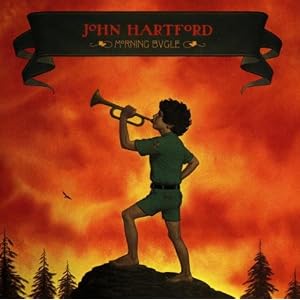
JOHN HARTFORD – Morning Bugle – (Warner Brothers) – 1972

I said this in an earlier comment:

Is John Hartford an acquired taste?

Maybe.

Though a lot of that "maybe" depends on where you start in his repertoire and what you know of music before hand.

For background on Hartford see?What Frank is Listening to #93 and #154.

There I called Hartford "Progressive" or "Weird" country. He is still that, but as I said then he is also much more.

I said, “He has also been referred to as literary folk music and?"MOR romantic nostalgia told from the perspective of a homeless man remembering days of perfect love"…. I like that …. He has also been called Americana/Appalachian Folk/Country-Rock/Old-Timey/Progressive Bluegrass/Progressive Country/Progressive Folk/String Bands/Traditional Country … take you pick …but I like all those also”.

I also said in relation to his "Aereo Plain" album in "What Frank is Listening to #154": “This album is his old timey album with bluegrass and Appalachian sounds thrown in. Hartford however is no mere traditionalist as themes are updated to suit the modern world. Its as if the music of times past was never marginalized but remained the dominant mainstream music and current concerns were incorporated into the sound, just like in rock music”.

This album is more mainstream, but that doesn’t diminish the thoughtfulness of the songs. Floating in the background is Hartford's personality which is definitely and defiantly left of centre. This is more of a folk-blues type album but it's still a little left of centre. There is a genuine fondness for the past, and not one based on some right wing misty eyed conservative reaction to the present. The past Hartford conjures up in his music was simpler, but not conservative, with all sorts of left of centre people populating his songs. The sadness or melancholy feel he sometimes elicits when singing about days gone by is sometimes so overwhelming it seems as he realizes that those days are indeed gone and can never be returned to whilst at other times he sings with conviction for a change of pace for the present, a change of pace that reflects life in times past. I assume from those seemingly contradictory themes that what is an ideal world would be a world where the best of the past is brought into the present and the worst of the present is done away with.

The album as all the others I have heard is well played and the informal sitting around the porch jam (the production by John Simon must have amounted to holding a microphone and not much else) ads to the ye olde worlde feel of the album

Tracks (best in italics)

  • Streetcar – Hartford – to some this is 100% corn. To me it reminds me of my youth in N'Orlens. The fact I didn’t visit New Orleans till I was in my 20s has nothing to do with it. Do you have to experienced what the singer sings about to understand his message? I suspect the answer is no. An emotional reaction is enough and this gentle song about simple times past can affect anyone who has seen places change.
  • Nobody Eats at Linebaugh's Anymore  – Hartford – another gentle lament about changing times, this time about Nashville country music turning its back on its institutions in favour of Nashville’s theme parks. ie: a reference to the corporatisation of country music.
  • Howard Hughes' Blues – Hartford – it is what it says … and it's a good 'un.
  • All Fall Down  – Hartford – not sure what this is about.
  • On the Road  – Hartford – a old timey country blues about a man on the road but it's definitely not Kerouac. Excellent. Any emotional involvement with the protagonist narrator is as much elicited from the music and vocal pitch as from the words. Just goes to show communication is more than just words.
  • Morning Bugle – Hartford – almost an autobiographical song.
  • Old Joe Clark – Hartford –  a excellent song about an opportunistic evangelist "Old Joe Clark" done partly as a narrative and partly as a revival tent rouser, all with tongue firmly in cheek. Not unlike, in mood anyway, to Ray Davies early 70s output (I'm convinced Ray was listening to a lot of country around that time).

Old Joe Clark was a preacher-man

He preached all over the plain

The highest text he ever took

Was a-High, Low, Jack, and a-Game.


Well, he came down to my house

And showed me all of his cards

He whispered low in his gambler's voice

It's really not too hard


I ain't never had no trouble

Just walk around wearing a sheet

Buncha people waving them palm leaves

Just to keep Joe Clark from the heat


Well, Old Joe Clark's got 2 little girls

To wash his feet and sing

"Old Joe Clark", I heard one say

"We'll give you anything"


Let's go down to the church-house

There's a lotta good things goin' down

The crown turns over at 9 o'clock

With the cream of the underground


CHORUS: Well get on down to Canaan brother

There's a lotta good things goin' down

With a little bit of luck and a couple of bucks

You could be down there when the Glory rolls

Wake up brother, there's a new day coming

And it hasn't got time to stop

If'n you got the bread, you could change your head

You could be down there when the Glory rolls

  • My Rag – Hartford – yup, a banjo rag … hey did you know this guy Hartford can really play (derrr).
  • Late Last Night When My Willie Came Home – Traditional – yes, it's sung straight. Willie was downtown fooling around but eventually went home.
  • Got No Place to Go – Hartford – a mood piece.
  • Bye-Bye – Hartford – a fitting end … a jam with largely nonsensical lyrics.

And …

Not as good as "Aereo Plain", which was great, but head and shoulders above a lot else – I'm keeping it.

Chart Action

No chart action.

Sounds

Streetcar

attached


Nobody Eats at Linebaugh's Anymore

attached


Howard Hughes' Blues

http://www.youtube.com/watch?v=fvuyBSG1ZZE&feature=PlayList&p=D5B79B4196FCB969&playnext_from=PL&playnext=1&index=2

Morning Bugle
http://www.youtube.com/watch?v=S5_mp6_ERDc

Others:

on the Johnny Cash show:

http://www.youtube.com/watch?v=ELEJbhO4_og

http://www.youtube.com/watch?v=chTOWT78etY&feature=related

hello

http://www.youtube.com/watch?v=Rd5okmSRCa8&feature=related

http://www.youtube.com/watch?v=43TtbOEaABE&feature=related

http://www.youtube.com/watch?v=dCVQ3w3sKxA

Bio

http://en.wikipedia.org/wiki/John_Hartford

http://www.allmusic.com/cg/amg.dll?p=amg&sql=11:gifrxql5ldse~T1

http://www.johnhartford.org/ZHome%20Page/JohnHartfordBiographyandDiscography/John'sBiographyandDiscography.htm

Website

http://www.johnhartford.org/ZHome%20Page/JohnHartfordBiographyandDiscography/John'sBiographyandDiscography.htm

http://www.johnhartford.com/biography.cfm

Other comments

what is Frank Listening to #93

what is Frank Listening to #154

(originally posted: 27/06/2010)
Posted in Alt Country | Tagged | Leave a comment

GARY LEWIS & THE PLAYBOYS – Now! – (Liberty) – 1968

what Frank is listening to #162 – GARY LEWIS & THE PLAYBOYS – Now! – (Liberty) – 1968   
This comment was brought to you with great difficulty. My amp blew in the front room last year. Rather than carting down my other stereo (as I record directly from my turntable/amp into my Mac ) I bought, from an online seller, a turntable/usb port/cd player all in one which allows me to record directly on to a flash stick thingy. It wasn't expensive but I thought, "how hard can this be".
 
I should have been frightened when I tried to decipher the English instructions (this was Made in China … and I suspect not in the good part of China) as there was some great Engrish going on. I was also none to happy about the flimsy arm, crappy needle or the way the turntable came to an abrupt stop when the record ended (there isn't a belt drive or even a direct drive). Anyway, it was all up and working … that was probably eight months to a year ago.
 
However with time I noticed that unless the unit is warm the record spins at a slightly (ever so slightly) slower speed. You may pick up that on some of the mp3s I have sent even though I try to quality control them. Lately however the records have been spinning at a slower speed generally regardless of the warmth of the unit. I think the weight of the record has a lot to do with it and I play a lot of heavy old school US vinyl from the 60s. Anyway Gary Lewis today was starting to develop a baritone so up the back I went with my Mac and I recorded Lewis from my trusty Pioneer (which I've had since the early 80s).
 
It was all very painful.
 
The lesson here is do not by the cheapo turntable/usb port/cd player pieces of crap as the "turntable" is a gimmick.
 
As for me I like listening to music in my front room but I have five freaking turntables and only one amp at the moment.
 
Mitchell … help.
 
Not another Gary Lewis LP I can hear some of you say. Well, yes … so I suppose I'm now officially a fan.
 
For background on Lewis refer to any number of comments I've made on Lewis LPs in the past.
 
For reference on how this LP fits in with his other albums refer to the same comments though, suffice to say, there are no seismic shifts in style across Lewis' LPs. There are however little tweakings from album to album which I find interesting, and ultimately something I trust more than holus bolus changes in style.
 
This album is really a culmination in one of the sounds that was part of Lewis' musical makeup – melodic, snappy, light (but not necessarily lightweight) pop.
 
In other words "sunshine pop", more or less. Gary Lewis always leaned towards "sunshine pop" and in some ways he can claim to being one of it's founders and this album is, more than the others, his "sunshine pop" album. Much of his Beatles and pre-Beatles rock influences are gone leaving these well crafted, lush, unmistakedly Californian pop tunes. That, coupled with the fact that it's 1968, puts him in the sunshine pop camp though, admitedly, more towards the MOR side rather than the "trippy" side.
 
From an artistic point of view, if song writing is your definition of the measure of a musical performer (however limited that is) the album is a step back as Lewis' occasional forays into songwriting are totally abandoned here. Covers (and a couple of songs written for him) are the order of the day and most of the songs are of recent vintage. But, he takes them all and re-interprets them with his sound. Whether it is by accident or design I do not know but they all do hold together across an album.
 
Perhaps it's the MOR tendencies and the abundance of covers that scared off the "sunshine pop" cultists, resulting in an overlooked gem of the genre. It's a pity that Lewis doesnt have a bigger audience (especially outside of the US) as his music is consistently of a superior standard.
 
Tracks (best in italics)
  • Young Girl  – Fuller  3:02  – the Gary Puckett hit – and a nice bit of MOR sunshine pop … but it adds nothing to Puckett's version. I'm still not sure what's up with the lyrics but in this day and age, burning effigys and censorship would be likely, even if the explanation is innocent.
  • Sealed With a Kiss – Geld, Udell  2:26  – a haunting song and one of the best singles of the early 60s – lyric and music mesh together to create a memorable song of love on delay. Oddly it fits in well with the other numbers on this album.
  • Windy – Friedman  2:15  – The Association's big hit and perfect MOR susnhine pop. Can't fault the cover but then again I can't fault the original. The obvious thing to do would to make a juvenile flatulence analogy but I won't.
  • What Am I Gonna Do – Gordon  2:20  – not sure of the pedigree of this song but this is a pleasant enough pop tune.
  • I Wonder What She's Doing Tonight – Boyce, Hart  2:40  – Boyce & Hart were legendary pop (with a capital "P") duo who made their mark as songwriters – most notably for the Monkees. It's light and fluffy but irresistable and very much in the sunshine pop mould.
  • Pretty Thing – Leka, Pinz  2:24  – Leka and Pinz wrote for the Lemon Pipers and provided them with their big hit, "Green Tambourine". This is more from the "trippy" side of sunshine pop, such as it is. And it's a great song.
  • Judy in Disguise (With Glasses) – Bernard, Fred  3:05  – "Judy in Disguise (With Glasses)" was a hit (#1) for the Louisiana-based blue eyed soul band John Fred and His Playboy Band in early 1968 and the song is a parody of The Beatles' hit, "Lucy in the Sky with Diamonds". This is lightweight but toe tapping. And given my antipathy to the generally overrated "Sgt Peppers" I don't mind it.
  • Elusive Butterfly – Lind  2:25  – Bob Lind's magnificent folk hit here given a wholly original treatment. Keyboards and a gentle samba have replaced the acoustic guitar of the original.The sense of confusion and urgency in the narrative of the original is lost but it has been replaced with a really pleasant vibe. Well done.
  • How Can I Thank You – MacLeod, Margolin, Roberds  2:02  – A song by the obscure but interesting "The Parade". One of the Parade members was actor Stuart Margolin ("Angel" on "The Rockford Files")! The song is of its time and there is nothing wrong with that. This is so happy and sweet it's like being knocked over by a bunch of flowers.
  • Sara Jane – Bruster, Fuller  2:11  – as "rockin out" as you will get in this set … nice punchy keyboards.
  • Sunny – Hebb  2:37  – the big 1966 hit for Bobby Hebb (#1). As MOR as a song can be but it's so catchy. A perfect sing along song after a few drinks. Lewis speeds and pops it up a little further and it works.
And …

 I'm Keeping this. 

Sounds
 
Young Girl

Sealed With a Kiss

What Am I Gonna Do

I Wonder What She's Doing Tonight

Pretty Thing

Judy in Disguise (With Glasses)

Elusive Butterfly

How Can I Thank You
 
Sara Jane
 
Website
 
what is Frank Listening to #22
what is Frank Listening to #72
what is Frank Listening to #88
what is Frank Listening to #96
what is Frank Listening to #108
what is Frank Listening to #131
what is Frank Listening to #134
what is Frank Listening to #148


(originally posted: 20/06/2010)


Posted in Pop Rock, Sunshine Pop and Baroque | Tagged | Leave a comment

THE CYRKLE – Red Rubber Ball – (Columbia) – 1966

I knew next to nothing about this band when I got this album not that long ago.
 
In some ways there is nothing better than being surprised by something you have little knowledge about. Let's face it, you run the risk of being let down but if you are willing to take the punt, there are some gems out there that the casual collectors haven't discovered yet. Of course if you are Pavlov's dog or otherwise an idiot you will follow the fashion and the usual standard texts and, accordingly, you are probably not the type of person who could be bothered putting on something you have never heard of.
 
There was a time, before the internet, when you sat in the vacuous waste that was Brisbane (substitute your city if applicable) with no books to guide you when it came to buying music. You relied on words and reviews in your most respected music magazines (mine were "Bucketful of Brains", "Forced Exposure", "Kicks"), the recommendations of those older and wiser, the song covers an act you like attempt (which, if unknown, cause you to go out and search for the original artist), or just what the sleeve of a record looked like. Are these valid criteria to buy a record … fuck no, well maybe not. But again when you strike pay dirt it's like a cosmic happening where the centre of the universe is you … because you don't know about the record it's likely your friends don't so you are the bearer of the golden gift. Likewise, if the record is not mentioned in music magazines, the golden gift is yours to dispense with, making you the giver of wisdom.
 
This may be an astute observation on my part or it may be the Brown Brothers Red Moscato but either way I can say I have been let down by otherwise fine records because the critical acclaim that preceded them can never satisfy the expectations created in me. Likewise I have also been let down by the total trash unknown records which turn out to be total unknown trash for a reason. But there is nothing sweeter (apart from the aforesaid moscato) than the magnificent musical find when you have no preconceived notions or expectations.
 
Two that come to mind are The Youngbloods "Elephant Mountain" from 1969 and Nils Lofrgren's self titled first album from 1975 both of which I discovered back in my youth in the mid-eighties and was totally blown away by.
 
Like I said this was in the days before the internet, mega music stores and cheap CDs. If I had then what the kids have access to now it would have been great. Sadly though, it seems as if a lot of people now, despite the availability of just about any music in the world, still refuse to think outside the box. That's why Pearl Jam are so big.
 
Anyway, is The Cyrkle's "Red Rubber Ball" another to be added to this group of magnificent musical finds … sadly, no, not "magnificent". I actually knew they were a folk-rock band but I knew nothing of their music and I always associated "Red Rubber Ball" with Australia's The Seekers. That aside, the album isn't magnificent, but it is a very fine album, and though not stellar it certainly is amongst the best of 1966. And that in itself is a stellar feat.
 
Now, with some trepidation I turn to their bios on line to see what I can find (if you don't believe I'm doing this in real time then screw you)
 
from allmusic:
The Cyrkle didn't seem like much more than a two-hit wonder in 1966 when they charted with "Red Rubber Ball" and "Turn Down Day." Their pleasant, upbeat folk/pop/rock sound, coupled with the fact that they got to record two complete LPs, speaks volumes about how good music was in the years 1965-1967 as even second-tier groups like this were a delight to hear. Ironically, for a group remembered for just a pair of singles, the Cyrkle were considered a promising and choice signing, and were, to different degrees, wired into the management and creative circles surrounding the Beatles and Simon & Garfunkel.
 
This is lyrical folk rock with a nod to MOR pop or electric folk done through a pop regulator. However, in the mix The Cyrkle have made nods to all the styles around at the time as well as new emerging sounds – baroque pop, sunshine pop, folk pop, English Beat, R&B, garage – and this definitely sets it in time and place. But all these separate sounds are given a pleasant on the ear pop sheen. More importantly, and as a result, no song "jars" and  each songs fits in with the whole. Moreover, and this is interesting, there is some instrumental experimentation going on – sitar, reverbed guitars, a calliope, harpsichord – all of which stimulates the ears.
 
Lyrically (most of the songs are written by the band), there's a lot of style from the Paul Simon school – not surprising co-lead vocalist and lead guitarist Dawes played bass for Simon & Garfunkel on one of their tours in pre-fame days.
 
OK, so this is mellow, really mellow, but I have always had a thing for harmonies and folk and it's not that far from here to Shellac or Big Black is it? Of course it is. But if I can see Simon & Garfunkel and The Dead Kennedy's within six or so months of each other as a kid I can certainly cut The Cyrkle some  slack.
 
Tracks (best in italics)
  • Red Rubber Ball  – Simon, Woodley – written by Bruce Woodley of The Seekers and Paul Simon.  I'm not sure how they hooked up but they were both living in England in the mid 60s … Bruce with The Seekers and Simon in pre-fame mode. A great folk-pop song. Not as MOR as The Seekers version but only just. Simon & Garfunkel only recorded it live. A big hit for The Cyrkle – #2 USA.
  • Why Can't You Give Me What I Want  –  Dawes, Friedland – a nice mid-tempo pop song with some baroque touches
  • Baby, You're Free  – Crewe, Weston – This perfect pop not dissimilar in attitude to Bob Crewe's work with Frankie Valli & The Four Seasons. This is easily something the Turtles could have recorded. 
  • Big, Little Woman  – Dawes, Dannemann – pleasant if unremarkable.
  • Cloudy  –  Simon, Woodley – pre-empts "Windy" by The Association from 1967, and despite the meteorological references, there are other similarities in tempo and lyric. This is another Woodley-Simon track which later appeared on a Simon & Garfunkel's "Parsley, Sage, Rosemary & Thyme" album (also from 1966).
  • Cry  – Dawes, Dannemann – Cry is their garagy – pop number and it works well … and is very catchy.
  • Turn-Down Day – Keller, Blume –   nice sitar which predates The Beatles I believe. Co–written by Jerry Keller of "Here Comes the Summer" fame (a great song from 1959) … I wish I had more "turn down" days.
            "It's much too groovy a summer's day / to waste runnin' round in the city / but here on the sand I can dream
            away / or look at the girls if they're pretty /
 
            it's a turn-down day / nothin' on my mind / it's a turn-down day / and I dig it / there's nothing easier I can do / than
            lyin' around doing nothing /
 
            it's a turn-down day…
  • There's a Fire in the Fireplace  – Friedland – garage influenced song but filler.
  • Bony Moronie  –  Williams – A # 14 hit in 1957 for Larry Williams, "Bony Moronie" is a strange inclusion … but it's a total re-interpretation of the song. It has abandoned the rock of the original for harmonies, loungey keyboards, handclaps and other touches of craziness. Apparently, according to lead singer Dawes, "I recall asking Paul McCartney if he'd listened to the album and he went on to compliment our upside-down arrangement of Larry Williams' 'Bony Moronie'…"
  • How Can I Leave Her  – Dawes, Dannemann – an English beat type song.
  • Money to Burn  – Dawes, Dannemann – filler.
And …

I like this enough to keep it … in fact it's on high rotation at the moment.

Oh, apparently there are numerous Beatles links to the band – they were the opening act on the Beatles 1966 tour, and Lennon & McCartney were "fans" of sorts. Read the bios. 

Sounds
 
live
 
Why Can't You Give Me What I Want 
attached
Cloudy     

Cry     
attached
Turn-Down Day   
live
  
There's a Fire in the Fireplace   
  
Bony Moronie     
attached
Other versions of "Red Rubber Ball"
 
An ad:
 
Bio
 
Review
 
 
Trivia
  • Dawes would go on with Dannemann to a successful career writing many nationally-known advertising jingles for television, such as the "plop, plop, fizz, fizz" commercial for Alka-Seltzer.
(originally posted: 13/06/2010)
Posted in Folk Rock | Tagged | Leave a comment

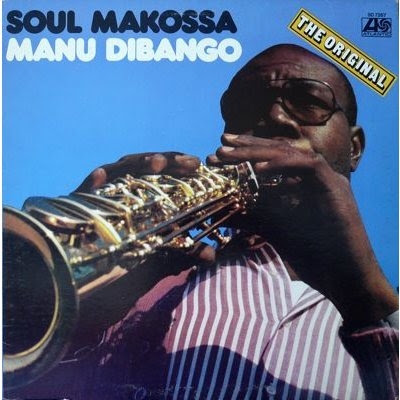
MANU DIBANGO – Soul Makossa – (Atlantic) – 1972

This is one I picked up some time ago (15 years ?) and have listened to but was never convinced I should keep. My ear for jazz has, however, improved since my youth and I find this album improves, accordingly, the more I Iisten to it.
 
What I thought was quite obscure when bought 15 years ago, I have discovered, through the joys of the internet, is actually quite well known and influential.
 
Manu Dibango is quite the "dude" ("dude" = Frank being hip) and is Africa's most well known jazz saxophonist.
 
He was born Emmanuel Dibango N'Djoké on 12 December 1933 in Douala, Cameroon, and is a saxophonist and vibraphone player. Starting in the 1950s he travelled and lived in France, Belgium, Jamaica, Zaire, and Cote d'Ivoire, as well as in Cameroon. Though well known in cult jazz circles he became even more well known in 1960 when he became one of the founding members of the Zairean band "African Jazz", with whom he spent five years.
 
Soul Makossa was his international breakthrough.
 
What is makossa?
 
"Makossa" means "dance" in Duala, a Cameroonian language.
 
Makossa is a lively urban popular music danced to in clubs in Cameroon's cities. The funky bass rhythm, horn section, and vocalists create a unified sound, urging the dancers to move in rhythmic motion. Compared with Zairian soukous, makossa's sound is leaner, using fewer instruments and more musical space. Western instruments are dominant in makossa — horns, guitar, bass guitar, drums, and piano. The "kossa" dances of young Douala children, with its hand-clapping accompaniment, are the origins of the makossa style. These were combined with Latin influences, popular music from other countries in Africa (especially Nigerian highlife), and Congolese rhumba to create this vibrant sound. Makossa has developed over the years in Cameroon. A precursor to makossa, ambasse bey, was a guitar music played in the neighborhoods of Douala in the 1950s. Although people experimented with creating different variations of music in both urban and rural areas of Africa, it was not until the early 1960s that makossa began to be recorded by Eboa Lotin, a guitar and harmonica player who composed and sang songs. Misse Ngoh, a singer and guitarist known for his fingerpicking style, transformed makossa even further. Manu Dibango's album Soul Makossa, released in the early 1970s, drew international attention to Cameroon and its unique musical sound. Dibango's resonant voice and lyrical saxophone provide a distinct flavor to this urban music. By the 1980s, new-look makossa emerged. Major artists, such as Dibango, continue to experiment with and adapt the makossa sound according to their own artistic creativity. http://www.allmusic.com/cg/amg.dll?p=amg&sql=77:691
 
I'm no expert but by some accounts this album has little of the makossa sound in it.
 
If it does or it doesn't is one thing, but to me the beauty of this music is in the fusing of jazz, funk and Cameroonian music. At the time it was nothing short of revolutionary, and obviously quite influential. Also, "Soul Makossa" is often considered the first disco record and as dubious as that honour is (which depends where you stand on the disco floor (sic)) I'm not sure that Manu anticipated the excesses of the Bee Gees or the Village People. So don't blame him.
 
The joy here is that although the sounds of future disco can be heard on this LP, the jazz, funk and African beats also come through loud and clear. And unlike minds eye pictures of mini dresses, flicked hair, wankers in flairs and shiny, sterile discotettes with lame beats when listening to this music, I see a hot, sweaty, "hole in the wall", packed full of dancing black chicks where the music is pumped up and dangerous in a unfamiliar way.
 
ie: The musical equivalent of being the only white guy on an all black street.
 
This music is quite "black" and not surprisingly this musical style is also called Afrobeat.
 
Names aside, this is as good as any of the other jazz funk crossovers happening at the time. I'm not sure how this would work over a number of albums as even here there is only one groove going through the album. But then again … what a groove it is …
 
Tracks (best in italics)
  • New Bell – 6:51 – a total groove – all 7 minutes in it. I love the way the sax is apart and yet part of the rhythm section.
  • Nights in Zeralda –  4:38 – some serious mellow groovin action with some middle eastern Arabian nights sounds at the start
  • Hibiscus  – 6:23 – moody, and a touch dramatic … like a crazed soundtrack to some story of a late night punter trawling through brothels in a former colonial outpost. At least to my ears.
  • Dangwa –  6:00 – starts out like "Shaft", not surprisingly (the influential "Shaft" came out in 1971), before moving into some traditional African chants and some call and response …
  • Lily  – 3:02 – the only song with standard lyrical content – well as standard as you can get.
  • Soul Makossa  – 4:30 – not really a makossa (apparently) but who cares. "Soul Makossa" was originally recorded as a B-side for "Mouvement Ewondo," a song about Cameroon's football (soccer) team.
  • Oboso  – 5:23 – a great way to end … in a total groove.
And … 
 
I'm keeping this. 
 
Chart Action
 
USA
Single
1973  Soul Makossa   R&B Singles 21
1973  Soul Makossa   The Billboard Hot 100 35
Album:
1973  Soul Makossa  R&B Albums 11
1973  Soul Makossa  The Billboard 200 79
 
England
no chart action

Sounds
 
New Bell
 
Soul Makossa
 
Oboso
attached
 
 
Bio
 
 
Trivia
  • wikipedia: "Soul Makossa" is a 1972 single by Cameroonian makossa saxophonist Manu Dibango. It is often cited as one of the first disco records. In 1972 David Mancuso found a copy in a Brooklyn West Indian record store and often played it at his Loft parties. The response was so positive that the few copies of "Soul Makossa" in New York City were quickly bought up. The song was subsequently played heavily by Frankie Crocker, who DJed at WBLS, then New York's most popular black radio station. Since the original was now unfindable, at least 23 groups quickly released cover versions to capitalize on the demand for the record. Atlantic eventually licensed the song from the French record label Fiesta. Their release of it peaked at #35 on the Billboard chart in 1973; in 1999 Dave Marsh wrote that it was "the only African record by an African" to crack the top 40. At one point there were nine different versions of the song in the Billboard chart. It became "a massive hit" internationally as well.
  • from wikipedia as to the influence of the "Soul Makossa' track ( none of the following is a good thing though):It is probably best remembered for the chanted vocal refrain "mama-se, mama-sa, ma-ko-ma-ko-ssa", which was adapted ("mama-se, mama-sa, ma-ma-ko-ssa") and used in Michael Jackson's 1982 "Wanna Be Startin' Somethin'" (albeit in a different key with a not-so-monophonic melody) during the song's final bridge. It is also sampled in the hip hop song "Face Off" by artist Jay-Z on his album In My Lifetime, Vol. 1 as well as the single "Don't Stop the Music" by Rihanna. The song is also sampled on the intro to The Carnival, Wyclef Jean's first solo album. The phrase "ma ma say ah, ma ma coo sah" also appears in the fourth verse of the song "Rhythm (Devoted to the Art of Moving Butts)" by A Tribe Called Quest, and in "Mama Say," the debut single by the Bloodhound Gang. Dirty Beatniks sampled the song for their 1997 dance track "Latinhead."
(originally posted: 06/06/2010)
Posted in Soul, Funk & Disco | Tagged | Leave a comment

HAZEL O’CONNOR – Cover Plus – (Albion) – 1981

A little Lene Lovich, a little Grace Jones and a little English New Wave goes a long way.
 
Too long on this album.
 
I'm largely unfamiliar with Hazel O'Connor's work (though I know who she is) and I haven't heard her most applauded album, "Breaking Glass" (or seen the film it is taken from) so this "comment" will no doubt lead those who are familiar with her work to say I should have started with another O'Connor album. Maybe so, but this one was sitting on top of the pile.
 
Background from wikipedia: "Hazel O'Connor (born 16 May 1955, Coventry, England) is an English singer-songwriter and actress. She is the daughter of a soldier from Galway who settled in England after World War II to work in a car plant. She became famous in the early 1980s with hit singles "Eighth Day", "D-Days" and "Will You". as well as starring in the film Breaking Glass."
 
And, she became very famous, very quickly, riding on the New Wave craze of the early 1980s. Her face and image were everywhere for a while and she became the image of the female NEnglish ew Wave much like Deborah Harry became the image of the same in the United States. O'Connor acknowledged her hype by calling her backing band "Megahype" and apparently writing songs alluding to the same.
 
Despite the New Wave trappings Hazel O'Connor comes across more as a female David Bowie or Lou Reed. Or at least a Bowie or Reed in drag which actually isn't that far fetched when you think about their occasional frock up.
 
There is however on this album a lot of "hedging of bets" … the voice cries New Wave whilst the music is glam, rock and pop with some punkish trappings. Ultimately this is not a true New Wave album but rather a mish mash of styles from the 70s updated to the New Wave
 
There isn't anything wrong with that normally but here the ideas run out pretty quickly – any ideas and inspiration are used up on the first side. Side 2 is particularly boring. Maybe O'Connor used her ideas up on the first two albums which came out in the preceding two years?
 
The production is crisp and clear from American Tony Visconti who not surprisingly produced many David Bowie and T Rex albums.
 
Tracks (best in italics)
  • Cover Plus – We're All Grown Up – Hello  my name is Hazel O'Connor and I'm channelling David Bowie. It also sounds a little (very little) like Australia's "The Church" of around the same time … though they were ripping off Bowie also. Still, it's a good tune and the best track on the album
  • Hanging Around – A cover of The Stranglers tune (one of their few good songs – they are probably my least favourite big English New Wave act)  – Hazel was dating Hugh Cornwell and this is a less punk more cabaret version of the song. Punk Cabaret ? Either way not to bad.
  • Ee-I-Adio  – a bit to cutesy
  • Not for You – a little of the "Sweet" and a little "Gary Glitter" given some New Wave stylings.
  • Hold On – moving into Marianne Faithfull territory here.
  • So You're Born – the punk big mid tempo ballad.
  • Dawn Chorus – ideas are running out … this is dull.
  • Animal Farm – ideas have run out … this could be a successful entry in the Eurovision concert by a  Latvian electro folk band.
  • Runaway – I wish this was the Del Shannon song … no I take that back, I'm glad it's not.
  • Do What You Gotta Do – the "lighter in the air" punk ballad.
  • Men of Good Fortune –  the punk anti-ballad socio commentary ballad.
  • That's Life – a punk torch song which becomes epically bombastic … Jim "Sledgehammer" Steinman could have written this.
And …
 

This is a no-keeper for me though "Cover Plus" keeps doing the rounds of my head.

 
Chart Action
 
 Singles:
        Cover Plus – #41UK
        Hanging Around-#45UK
 
Album
        #32UK
 
No chart action in the US.
 
Sounds
 
Cover Plus 
attached

Hanging Around

Runaway
live 2008
 
That's Life
attached
 

Other:
Breaking Glass

Bio
 
 
Website
 
 
(originally posted: 30/05/2010)
Posted in Punk and New Wave | Tagged | Leave a comment

THE ASTRONAUTS – For You – From Us – (RCA) – 1965

photo
I got this from the US recently for $3 (+ $14 postage – sigh – can someone invent a cheaper form of sending parcels from A to B?).
 
I've had their first album since the 1980s and that's a cracker of a surf album so The Astronauts were not unfamiliar to me though I wasn't quite aware of their extensive discography.
 
The Astronauts were that strange "spit in the face" for anyone who wants to elevate music to "art" because they were a "working" band.
 
working = it's a job … weddings, parties, anything.
 
They were formed in Colorado in 1961 (though some of them had been playing together since as early as 1956) and played surf music (seriously – many surf bands came from the mid-west) and rock 'n' roll. They were nurtured in the frat rock scene, and endless gigs playing hits of the day no doubt gave them their skills as musicians.  But, they were not a "covers band" as they wrote originals and more importantly, injected some originality into their interpretation of the covers they chose. Difficult types may disagree but if doing other peoples songs was the only criteria for being a "covers" act then 90% of all jazz acts are covers acts. And people like Johnny Cash and Roy Orbison are nominal covers acts as both recorded far more "covers" than originals. The key words here are "interpretation" and "originality".
 
As long as there is some thought and originality put into your "covers" I have no problems with that (yes it sounds like a contradiction but it's not). There is nothing more dire than a straight, note for note, uninspired cover.
 
Putting my agenda aside The Astronauts wrote originals, albeit in the style of music they were attempting to mimic, and they were well competent. Originals though, don't pay the bills so their repertoire leaned heavily on "cover versions". Before I get frowns I should say in their defence that they were not much different to the early Beatles, Rolling Stones, and Animals whose albums leaned heavily on "covers". The difference of course being that The Astronauts never really transcended that despite writing some great originals.
 
This is their third album in a year (they did about nine in four years) … did I mention they were a working band? If nothing else the Astronauts show they can think outside the box and adapt their sound to any new trends. Of course they had to if they wanted to keep working and keep the kids dancing. The beauty of The Astronauts is they could adapt to new trends while still injecting their own personality on the music. So from album to album (from what I have heard) you would get a touch of merseybeat, a splash of soul, some folk rock, a large dose of surf or drag music but all was balanced out by their straight ahead Chuck Berry like rock 'n' roll, updated rock-a-billy, white R&B and frat rock instrumentals.
 
This album is awash, not unsurprisingly given it's 1965, with Beatles, merseybeat and black soul influences. .. though there is the aforementioned rock 'n' roll also. No sign of the surf though, which is a pity, as that is where they excelled.
 
Tracks (best in italics)
  • Ain't That Just Like Me – Carroll , Guy – starts off with a piss take vocal introduction of Elvis (or maybe Brando) before moving into a nifty mid tempo rocker with a hint of the Beatles, though with some un-Beatle–like guitar.
  • Mary Lou – Ling, Jessie – an old slow R&B type song which has been given the English "beat" ... The Hollies had done a version a year earlier so maybe they were inspired by that but The Astronauts would have known the song anyway as it was popular in the 50s being covered by Sonny Burgess, Ronnie Hawkins, Buddy Knox and others. Steve Miller, Bob Seger and Gene Clark all later covered it …
  • I Still Remember – Fifield – an original … and it could have been written in England … and as good as most of the Beat genre 
  • I'll Stay With You – Fifield – another original and a touch of Gary Lewis in here …
  • Baby What You Want Me to Do – Reed – the old Jimmy Reed blues song – done a bit to slow and laid back for me.
  • Twist & Shout -Medley, Russell – influenced by the Beatles version of the old Isley Brothers song though toned down and not as good a version. Still it's a good song, even if it has been done to death.
  • Unchain My Heart – Richard – the Ray Charles hit from 1961. Bouncy and transformed into a pop song from the Charles R&B song.
  • Crawfish Song – Trad –
  • Brown Eyed Handsome Man – Berry – the magnificent Chuck Berry song … slowed down and given the Merseybeat stroll.
  • Sweet Sweet Child – Fifiled –
  • Reelin' & Rockin' – Berry – another Chuck Berry with all the innuendo included
            Well I looked at my watch, it was 10:28
            I gotta get my kicks before it get too late
            And we reeled, reelin' and rockin'
            We was reelin' and a rockin'
            Rollin' till the break of dawn
 
            Well I looked at my watch, it was 10:29
            I had to hold her hand, she was still holding mine
            As we reeled, reelin' and a rockin'
            We was reelin' and a rockin'
            Rollin' till the break of dawn
 
            Well I looked at my watch and to my surprise
            I was dancing with a woman that was twice my size
            I was reelin', reelin' and rockin'
            I was reelin' and a rockin'
            Rollin' till the break of dawn
 
        For the unadulterated profane version check out Chuck's live version from London 1972 (see below).
  • I'm A Rolling Stone – Resnick, Young – a gentle Bo Diddley beat
And …

This is a good album …not as great as the couple of others I have but good enough to keep me interested. I'm keeping this. 

The Astronauts were never going to have any credibility outside cult circles as their music is too locked into the party rock, frat rock 'n' roll of the early 60s where music is for dancin' not thinkin'. 

Music is an emotive thing anyway and dancing is one result of the expression of that emotion. 

And you know there is nothing wrong with that … if you want "thinkin" go read a book. 

And before someone cries "Bob Dylan" it should be noted that Dylan is just an emotive songwriter, maybe more complex, but to dissect his songs as some sort of philosophical treatise is absurd and ill-conceived. 

It should also be pointed that you cant dance to Dylan. 

Sounds

I Still Remember

attached

Brown Eyed Handsome Man
attached
 
Other:
 
Chuck Berry "Reelin and Rockin" live England 1972 ( tacky ? gaudy ? Maybe, but pure rock n roll – no low fi or shoe gazing here …. you guitarists out there could learn a thing or two here)
(his live version on record is even more lewd)
 
Bio
 
 
The music is for dancing!
 
Trivia
  • In 1966 a young Jello Biafra of Boulder, Colorado encounters his first rock star. Bob Demmon, leader of the surf-garage legends The Astronauts, shows the second grade class his Alaskan malamute dog (Bob's mother worked in the school office).
  • The Astronauts were huge in Japan in the 60s and toured there to sell-out crowds.
Picture


(originally posted: 23/05/2010)
Posted in Garage, Surf and Frat | Tagged | Leave a comment